What Is High Cholesterol – Symptoms, Causes, Foods and Treatment
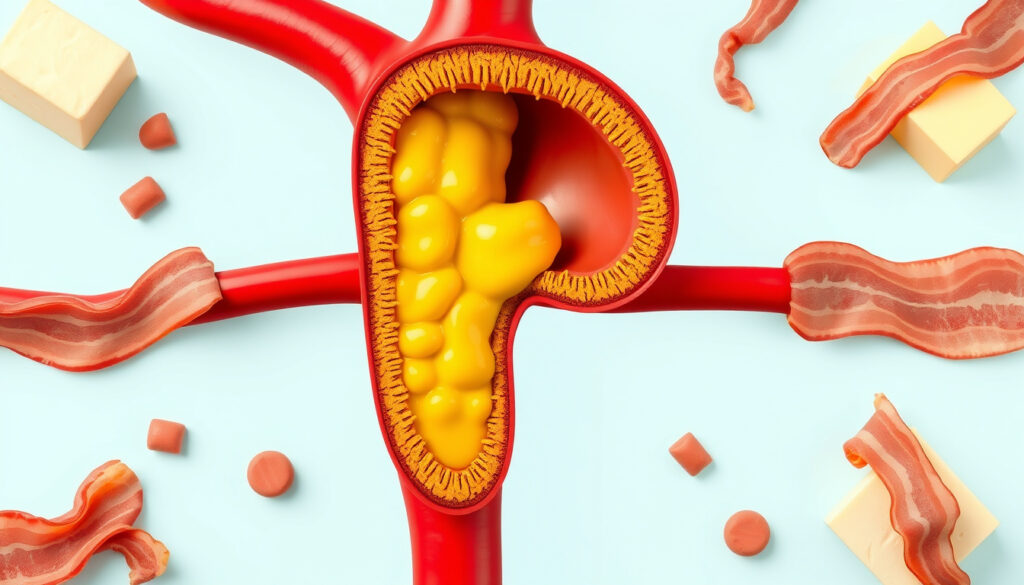
High cholesterol, medically known as hyperlipidemia, develops when fatty deposits accumulate in the bloodstream over time. This condition affects millions of people worldwide and serves as a major risk factor for serious cardiovascular events including heart attacks and strokes. Understanding what triggers elevated cholesterol levels, recognizing potential warning signs, and knowing which dietary choices make a difference form the foundation of effective prevention and management.
Unlike many health conditions that announce themselves through noticeable symptoms, high cholesterol typically progresses silently for years before causing detectable problems. Regular blood testing remains the primary method for identifying elevated levels, making routine medical check-ups essential for early detection. The good news is that lifestyle modifications and targeted dietary changes can significantly impact cholesterol profiles for many individuals.
This guide examines the latest medical understanding of high cholesterol, from its fundamental mechanisms to practical strategies for bringing levels under control. Information has been drawn from established health organizations including the NHS, Mayo Clinic, and Cleveland Clinic to provide evidence-based guidance for readers seeking to protect their cardiovascular health.
What Is High Cholesterol?
High cholesterol occurs when blood contains excessive amounts of this waxy, fat-like substance. The liver naturally produces cholesterol for building cells and manufacturing hormones, but additional cholesterol enters the body through foods such as meat, poultry, and dairy products. When cholesterol levels rise beyond what the body can efficiently process, deposits begin forming along artery walls, gradually narrowing passages and restricting blood flow.
Healthcare professionals distinguish between two primary types of cholesterol circulating in the bloodstream. Low-density lipoprotein (LDL) carries cholesterol to tissues throughout the body, but excess amounts can accumulate in arterial walls. High-density lipoprotein (HDL) performs the opposite function, gathering surplus cholesterol and transporting it back to the liver for processing and elimination.
Excess fatty substances in blood that accumulate along artery walls, increasing cardiovascular risk.
Heart disease, stroke, peripheral artery disease, and reduced blood flow to vital organs.
Typically none until advanced stages; diagnosis usually requires blood testing.
Diet high in saturated fats, inactivity, obesity, smoking, genetics, and certain medications.
Key Insights
- Silent progression — High cholesterol rarely produces noticeable symptoms until significant arterial damage has occurred.
- Blood testing essential — A simple lipid panel can reveal cholesterol levels; adults should undergo screening every 4-6 years from age 20 onward.
- Lifestyle impact — Diet, exercise, and smoking cessation can meaningfully reduce LDL levels within weeks to months.
- Genetic factors — Familial hypercholesterolemia causes severely elevated cholesterol in some individuals regardless of lifestyle choices.
- Gender considerations — Women may experience cholesterol changes during menopause, requiring closer monitoring during midlife years.
Cholesterol Facts at a Glance
| Fact | Details |
|---|---|
| Total cholesterol target | Below 200 mg/dL considered desirable |
| High cholesterol threshold | 240 mg/dL or above significantly increases cardiovascular risk |
| LDL (bad) cholesterol | Below 100 mg/dL optimal; accumulates in arteries when elevated |
| HDL (good) cholesterol | 60 mg/dL or higher provides protective benefit |
| Dietary cholesterol limit | Health authorities recommend less than 200 mg daily |
| Soluble fiber recommendation | 10-25 grams daily helps reduce LDL absorption |
The NHS notes that high cholesterol primarily affects the arteries by depositing fatty substances along their inner walls. This process, called atherosclerosis, develops over years and forms the foundation for most cardiovascular complications. Learn more about cholesterol from the NHS
What Are the Symptoms of High Cholesterol?
One of the most challenging aspects of high cholesterol is its asymptomatic nature during early and moderate stages. According to the Mayo Clinic, most individuals with elevated cholesterol experience no warning signs whatsoever. This silent progression means that by the time symptoms emerge, significant arterial damage may already exist.
Routine blood testing serves as the primary tool for detection. Healthcare providers typically order a lipid panel that measures total cholesterol, LDL cholesterol, HDL cholesterol, and triglycerides. Adults should discuss screening schedules with their doctors, as frequency depends on individual risk factors, age, and family history.
Visible Signs on the Skin
While general symptoms remain absent, some individuals develop visible indicators of lipid abnormalities. Xanthomas represent one such sign—yellowish deposits of cholesterol that accumulate beneath the skin. These deposits most commonly appear around tendons in the hands, elbows, and heels, though they can develop elsewhere on the body.
The appearance of xanthomas typically signals substantially elevated cholesterol levels persisting over extended periods. Anyone noticing such deposits should seek medical evaluation promptly. Healthcare providers can perform blood tests to assess lipid profiles and determine whether treatment is necessary.
When Advanced Damage Occurs
Once cholesterol buildup narrows arteries significantly, symptoms may finally become apparent. Chest pain during physical exertion often signals that coronary arteries have become restricted. This discomfort, known as angina, results from heart muscle receiving insufficient oxygen-rich blood through narrowed passages.
Peripheral artery disease produces another recognizable symptom pattern. Leg pain that develops during walking and subsides with rest frequently indicates cholesterol-related narrowing of leg arteries. This condition, called intermittent claudication, reflects compromised blood flow to lower extremities.
Certain symptoms suggest emergency situations requiring urgent medical care. These include sudden weakness or numbness affecting one side of the body, difficulty speaking, severe chest pain, and shortness of breath. These signs may indicate an impending heart attack or stroke—complications that can result from long-standing untreated high cholesterol. Read more about hyperlipidemia symptoms from Cleveland Clinic
Symptoms in Females
Research has not identified symptoms unique to females experiencing high cholesterol. The underlying mechanisms and disease processes affect both sexes similarly. However, hormonal changes during menopause can influence lipid profiles, potentially causing LDL levels to rise while HDL levels decline.
Women approaching or experiencing menopause should discuss cholesterol monitoring with their healthcare providers. Some evidence suggests that estrogen’s protective effect on cholesterol diminishes after menopause, making regular screening increasingly important for women over 50.
What Causes High Cholesterol?
Multiple factors contribute to elevated cholesterol levels, ranging from modifiable lifestyle choices to non-controllable genetic predispositions. Understanding these causes provides insight into which aspects of personal health individuals can actively influence.
Dietary Influences
Consuming foods high in saturated and trans fats represents the most significant modifiable cause of high cholesterol. The WebMD reports that dietary choices directly impact lipid profiles, with certain foods demonstrably raising cholesterol levels more than others.
Saturated fats predominate in red meats, processed meats, full-fat dairy products, butter, and tropical oils such as coconut and palm oil. These fats increase both LDL cholesterol and total cholesterol levels when consumed regularly. Trans fats, often found in commercially baked goods, fried foods, and packaged snacks, pose additional concerns as they simultaneously raise LDL while lowering protective HDL cholesterol.
Insufficient fiber intake compounds dietary problems. Soluble fiber binds to cholesterol in the digestive system, preventing absorption and facilitating elimination. Diets lacking adequate fruits, vegetables, whole grains, and legumes miss this natural cholesterol-lowering opportunity.
Lifestyle Factors
Physical inactivity contributes substantially to cholesterol problems. Regular exercise helps raise HDL cholesterol while lowering LDL particles and triglycerides. Conversely, sedentary behavior allows cholesterol to accumulate without this counterbalancing activity.
Smoking damages blood vessels in multiple ways that accelerate cholesterol-related harm. Chemicals in tobacco smoke promote inflammation and oxidation of cholesterol particles, making them more likely to embed in arterial walls. Additionally, smoking lowers HDL cholesterol levels, removing one of the body’s natural protective mechanisms.
Obesity frequently accompanies unfavorable cholesterol profiles, particularly elevated triglycerides and LDL cholesterol combined with reduced HDL levels. Achieving and maintaining healthy weight through diet and exercise often improves all aspects of the lipid profile.
Genetic and Medical Contributors
Familial hypercholesterolemia represents an inherited condition causing severely elevated LDL cholesterol from birth. Individuals with this genetic mutation may develop cardiovascular complications at young ages despite otherwise healthy lifestyles. Family history of early heart disease warrants early and regular cholesterol screening.
Certain medications can raise cholesterol levels as a side effect. These include some drugs used for HIV treatment, certain antipsychotics, epilepsy medications, and corticosteroids. Patients taking these medications should discuss cholesterol monitoring with their prescribing physicians.
The Mayo Clinic identifies diet, physical inactivity, obesity, smoking, and genetics as the primary contributors to elevated cholesterol. Addressing modifiable factors through lifestyle changes forms the cornerstone of prevention and treatment for most individuals.
What Foods Are High in Cholesterol?
Dietary cholesterol comes exclusively from animal products, as plants do not produce cholesterol. Foods particularly high in cholesterol include organ meats such as liver, egg yolks, shrimp, and full-fat dairy products. Health authorities recommend limiting daily cholesterol intake to less than 200 milligrams for optimal cardiovascular protection.
However, dietary cholesterol’s impact varies among individuals. Genetic factors influence how readily the body absorbs and processes cholesterol from food. For some people, dietary cholesterol has minimal effect on blood levels, while others experience significant increases.
Foods to Limit or Avoid
Certain foods deserve particular attention due to their combination of high cholesterol content and saturated fat levels. Red meat, including beef, pork, and lamb, contains both cholesterol and saturated fat that synergistically raise blood levels. Processed meats such as sausages, bacon, deli meats, and hot dogs add sodium and preservatives to the cholesterol concerns.
Full-fat dairy products present similar challenges. Butter, cream, whole milk, full-fat cheese, and ice cream provide substantial cholesterol alongside saturated fats. Regular consumption of these products can meaningfully elevate blood cholesterol levels over time.
Commercially prepared foods often contain problematic ingredients despite appearing neutral. Baked goods, pastries, pies, and fried items typically include butter, shortening, or tropical oils that deliver both cholesterol and saturated fats. Deep-fried restaurant foods may also contain trans fats from repeatedly heated cooking oils.
Cholesterol-Friendly Food Comparison
| Category | Recommended Choices | Foods to Limit |
|---|---|---|
| Proteins | Fatty fish (salmon, mackerel), legumes, nuts, skinless poultry | Red meat, processed meats, organ meats, full-fat cheese |
| Fats and Oils | Olive oil, avocados, nuts, seeds | Butter, coconut oil, palm oil, trans fat-containing products |
| Grains and Carbs | Oats, barley, whole grain breads, quinoa, brown rice | Pastries, pies, biscuits, deep-fried items |
| Fruits and Vegetables | All varieties beneficial; berries, apples, leafy greens, broccoli especially supportive | None—vegetables and fruits are universally beneficial |
Foods That Actively Lower Cholesterol
Several food categories provide active cholesterol-lowering benefits beyond simply avoiding harmful choices. Soluble fiber-rich foods bind to cholesterol during digestion, preventing absorption. Oats, barley, beans, lentils, chickpeas, apples, pears, and prunes provide particularly effective soluble fiber.
Fatty fish delivers omega-3 fatty acids that support cardiovascular health through multiple mechanisms. Salmon, mackerel, tuna, sardines, and herring provide these beneficial fats. Health organizations recommend consuming fatty fish at least twice weekly as part of a heart-healthy eating pattern.
Nuts and seeds offer healthy fats, fiber, and plant sterols that modestly reduce cholesterol absorption. Almonds, walnuts, pistachios, chia seeds, and flaxseeds make excellent snacks or additions to meals. Additionally, moderate consumption of dark chocolate with 70% or higher cocoa content may provide antioxidant benefits while satisfying sweet cravings without the saturated fat found in milk chocolate.
How to Control High Cholesterol
Managing high cholesterol typically begins with lifestyle modifications before considering medication. The British Heart Foundation emphasizes that dietary changes, increased physical activity, and weight management form the foundation of any effective cholesterol control strategy.
For individuals with borderline or moderately elevated cholesterol, aggressive lifestyle changes may bring levels into acceptable ranges without pharmaceutical intervention. Those with severely elevated cholesterol or genetic conditions typically require medication alongside lifestyle modifications.
Dietary Strategies
Adopting a heart-healthy eating pattern requires systematic changes rather than occasional modifications. Prioritizing plant-based foods—vegetables, fruits, whole grains, legumes, nuts, and seeds—automatically displaces cholesterol-raising options while providing fiber and beneficial nutrients.
Replacing saturated fats with unsaturated fats makes a measurable difference. Using olive oil instead of butter, choosing avocado over cheese, and selecting nuts over processed snacks shifts the lipid profile in a favorable direction. Reading food labels helps identify hidden sources of saturated and trans fats in packaged products.
Increasing soluble fiber intake specifically targets LDL cholesterol. Starting the day with oatmeal, adding beans to salads, snacking on apples with almond butter, and including vegetables at every meal naturally boosts fiber consumption toward the recommended 10-25 grams daily.
Physical Activity and Exercise
Regular aerobic exercise raises HDL cholesterol while lowering LDL particles and triglycerides. The CDC recommends at least 150 minutes of moderate-intensity aerobic activity weekly for cardiovascular health benefits. This breaks down to approximately 30 minutes on most days of the week.
Brisk walking, cycling, swimming, and jogging all qualify as appropriate aerobic activity. Starting gradually and building endurance over time helps establish sustainable exercise habits. Even modest increases in physical activity produce measurable improvements in cholesterol profiles.
Weight Management and Smoking Cessation
Achieving healthy body weight significantly impacts cholesterol levels. Managing weight through combined dietary restriction and increased physical activity reduces LDL cholesterol while raising protective HDL levels. Even modest weight loss of 5-10% of body weight can meaningfully improve lipid profiles.
Quitting smoking produces rapid benefits. Within hours of the last cigarette, blood pressure and heart rate begin normalizing. Within weeks, circulation improves and HDL cholesterol levels start rising. Former smokers experience reduced cardiovascular risk compared to continuing smokers within just one to three years of quitting.
When lifestyle changes prove insufficient, physicians may prescribe cholesterol-lowering medications. Statins represent the most commonly prescribed class, working by reducing the liver’s cholesterol production. Other medication classes include bile acid sequestrants, cholesterol absorption inhibitors, and PCSK9 inhibitors for severe cases. Only healthcare providers can determine appropriate medication regimens based on individual risk profiles and medical histories.
Progression of High Cholesterol Over Time
Understanding how high cholesterol develops and progresses helps motivate adherence to prevention and treatment strategies. The condition typically advances through recognizable stages, though the timeline varies considerably among individuals.
- Early accumulation (years to decades) — Cholesterol particles begin depositing along arterial walls with no symptoms or detectable signs. Blood tests may show borderline elevations.
- Plaque formation (5-20 years) — Deposits grow into atherosclerotic plaques that narrow artery interiors. Blood flow becomes progressively restricted but symptoms remain absent.
- Significant narrowing (variable) — Arteries may become 50-70% blocked before symptoms emerge. Chest pain during exertion, leg cramps, or exercise intolerance may appear.
- Complications (when triggered) — Plaque rupture can cause sudden blood clots leading to heart attack or stroke. These events may represent the first clear indication of underlying cholesterol problems.
Early intervention provides the best opportunity to slow or reverse this progression. Blood pressure monitoring, cholesterol testing, and lifestyle optimization at younger ages prevent decades of silent damage accumulation.
Facts Versus Fiction
Misconceptions about high cholesterol persist despite medical evidence. Distinguishing established facts from uncertainties helps readers make informed decisions about their health.
| Established Facts | Areas of Uncertainty |
|---|---|
| High cholesterol usually causes no symptoms until advanced stages | Optimal cholesterol targets may vary by age and individual risk factors |
| Lifestyle changes can meaningfully reduce elevated cholesterol | Response to dietary changes varies significantly between individuals |
| Regular blood testing provides the only reliable detection method | Specific screening intervals for different age groups remain debated |
| Genetics can cause severely elevated cholesterol independent of lifestyle | The precise impact of stress on cholesterol levels requires further study |
Understanding the Bigger Picture
High cholesterol represents one component of cardiovascular risk assessment. Healthcare providers evaluate cholesterol alongside blood pressure, blood sugar levels, family history, smoking status, and other factors to determine overall heart disease and stroke risk.
This integrated approach recognizes that risk factors interact and amplify each other. A person with slightly elevated cholesterol but no other risk factors faces lower absolute risk than someone with moderate cholesterol elevation combined with hypertension, diabetes, and smoking history.
Geographic and socioeconomic factors also influence cholesterol patterns and cardiovascular risk. Access to healthcare, dietary patterns, physical activity opportunities, and environmental exposures all contribute to population-level variations in cholesterol-related outcomes.
What Medical Authorities Say
“Too much cholesterol in the blood can lead to atherosclerosis, a condition where fatty deposits build up in the arteries, making it harder for blood to flow through them.”
— NHS, National Health Service
“Lifestyle choices, including a healthy diet and regular physical activity, can help manage high cholesterol. Medications may also be used if lifestyle changes alone aren’t enough.”
Summary and Next Steps
High cholesterol develops silently over years but produces devastating complications when left unchecked. Understanding that this condition typically presents no symptoms emphasizes the critical importance of routine blood testing for early detection. The causes—primarily dietary factors, inactivity, obesity, smoking, and genetics—provide clear targets for intervention.
Management strategies focus on dietary modifications emphasizing soluble fiber and healthy fats while limiting saturated fats and cholesterol-rich foods. Regular physical activity, weight management, and smoking cessation round out the lifestyle approach. When these measures prove insufficient, modern medications offer effective pharmaceutical support under medical supervision.
Consulting with healthcare providers enables personalized assessment of individual risk profiles and development of tailored management plans. The American Heart Association recommends that all adults over age 20 understand their cholesterol numbers and work with physicians to maintain healthy levels throughout life.
Frequently Asked Questions
What is considered a healthy cholesterol level?
Total cholesterol below 200 mg/dL is desirable. LDL should remain below 100 mg/dL, while HDL should reach 60 mg/dL or higher for optimal protection.
Can high cholesterol be reversed naturally?
Lifestyle modifications including dietary changes, exercise, and weight loss can significantly reduce elevated cholesterol, though genetic forms may require medication.
How often should cholesterol be tested?
Adults aged 20 and older should undergo lipid panel testing every 4-6 years. Those with elevated risk factors may need more frequent monitoring.
Do eggs raise cholesterol levels?
Egg yolks contain cholesterol, but research suggests dietary cholesterol has limited impact on blood cholesterol for most people. Moderate consumption of whole eggs is generally considered acceptable.
What are the 5 key warning signs?
Typically none early on. Advanced signs may include xanthomas (skin deposits), chest pain, leg pain during walking, stroke symptoms, and heart attack warning signs.
Is there a difference between cholesterol and hyperlipidemia?
Hyperlipidemia is the broader medical term encompassing elevated lipids including cholesterol and triglycerides. High cholesterol specifically refers to elevated cholesterol particles.
Can stress cause high cholesterol?
Chronic stress may indirectly affect cholesterol through behavioral responses and physiological changes, though direct causation remains an active research area.
Does drinking alcohol affect cholesterol?
Moderate alcohol consumption may slightly raise HDL, but excessive drinking increases triglycerides and overall cardiovascular risk. Consult healthcare providers about alcohol and your lipid profile.
More related posts
 Darragh Ennis: The Menace on The Chase, Scientist and Quizzer Bio
 Jason David Frank Death: Cause, Net Worth, and Legacy
 James Baldwin: Biography, Books, Quotes, and Legacy
 Lisa Kudrow: Family, Friends, Net Worth, and Career Insights
 British Gas My Account: Login, Payment, App & Support
 Caroline Flack: Death, Cause, Estate & Intestacy Explained
 Shaun Ryder: Happy Mondays Frontman to Gogglebox Star
 How to Create a Website for Free: Complete Beginner Guide