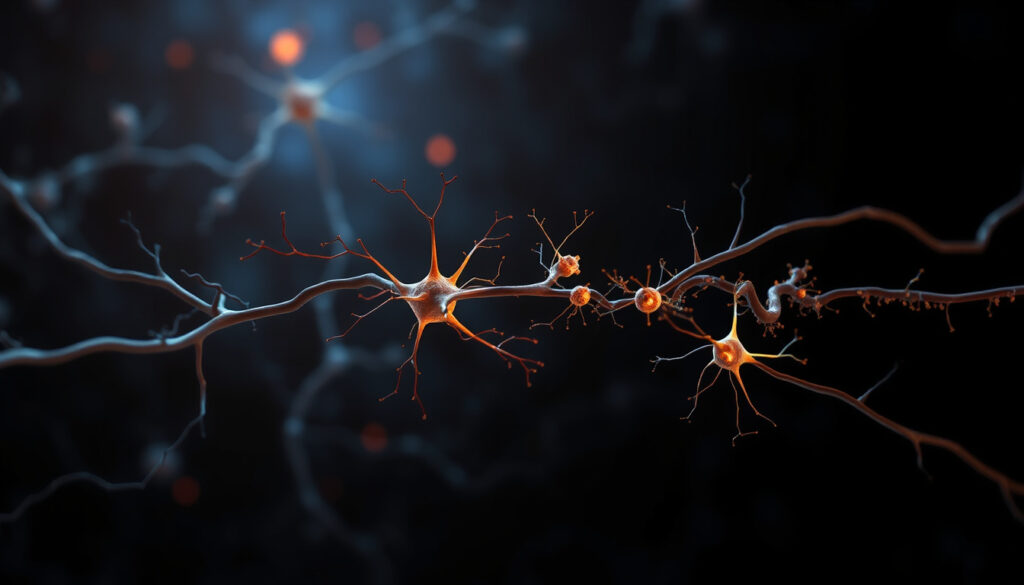
Symptoms of Motor Neurone Disease – Early Signs and Progression
Motor neurone disease (MND), commonly known as amyotrophic lateral sclerosis (ALS) in its most prevalent form, represents a progressive neurological condition that gradually impairs motor neurons—the specialized nerve cells responsible for controlling voluntary muscle movements. Understanding the symptoms of motor neurone disease is critical for early detection and appropriate medical intervention, though the condition remains challenging to diagnose in its initial stages due to symptoms that often mimic less serious ailments.
The disease affects motor neurons in both the brain and spinal cord, disrupting the essential signals that enable muscles to function properly. As these neurons degenerate and die, the muscles they control progressively weaken, waste away, and eventually become paralyzed. According to the NHS, early recognition of symptoms can help individuals access support services and care planning sooner, even though no cure currently exists for this condition.
This article examines the early warning signs of motor neurone disease, explores conditions that may be confused with it, discusses what is known about its causes, and outlines how the disease progresses through its later stages. The information provided draws from established medical sources and aims to help readers understand what to watch for and when to seek professional medical advice.
What Are the First Signs of Motor Neurone Disease?
Recognizing the earliest symptoms of motor neurone disease can be difficult because they often develop gradually and may initially seem harmless. Research indicates that approximately 70% of cases begin with symptoms in the limbs, while the remaining 30% start with bulbar symptoms affecting speech and swallowing. The manner in which MND first presents varies considerably between individuals and depends partly on which specific subtype of the condition is involved.
Weakness, twitching, fatigue
MS, benign fasciculation, stress
No known preventive measures exist
Progressive, fatal over 2-5 years typically
Key Insights About Early Symptoms
- Muscle weakness represents the most common first sign, typically affecting the hands, legs, or ankles and manifesting as difficulty gripping objects, dropping things, or tripping
- Fasciculations (muscle twitching) occur involuntarily under the skin and warrant medical evaluation when accompanied by weakness, though isolated twitching often has benign causes
- Symptoms usually begin focally in one body region before spreading more broadly over time
- The painless nature of progressive weakness helps distinguish early MND from many other conditions
- Onset typically occurs between ages 40 and 70, according to available medical data
- Diagnostic delay commonly spans 12 to 18 months due to symptom overlap with benign conditions
| Fact | Details |
|---|---|
| Typical onset age | 40-70 years old |
| Average progression time | 2-5 years from symptom onset |
| Common first symptom | Foot drop and tripping |
| Initial presentation | 70% limb onset, 30% bulbar onset |
| Diagnostic timeline | Often 12-18 months to confirm |
| Cognitive involvement | Approximately 35% of cases |
| Dementia link | Up to 15% develop frontotemporal dementia |
Muscle Weakness and Physical Changes
Muscle weakness typically manifests first in the hands and fingers, making everyday tasks increasingly difficult. Individuals may notice they struggle to button shirts, grip keys firmly, or maintain control over small objects. According to the NHS, weakness in the legs and ankles often presents as difficulty climbing stairs, frequent tripping, or a characteristic “foot drop” where the front of the foot drags while walking.
Coordination problems frequently accompany weakness, leading to clumsiness, slowed reactions, and unexplained falls. Reflex changes—both overactive and absent reflexes—may be observed during medical examination. Fine motor skills such as writing and self-care activities progressively deteriorate as the condition advances.
Muscle Twitching, Cramps, and Fatigue
Fasciculations, commonly described as muscle twitching, represent involuntary rippling movements beneath the skin. These may appear in the arms, legs, shoulders, or tongue and often cause considerable concern when noticed. The Leeds Teaching Hospitals NHS Trust notes that while frequent twitching accompanied by weakness warrants prompt neurological evaluation, isolated twitching without other symptoms frequently has benign explanations such as stress, fatigue, or caffeine consumption.
Muscle twitching alone does not indicate motor neurone disease. Healthcare professionals often dismiss isolated fasciculations as benign, particularly when no accompanying weakness, sensory changes, or progressive difficulty exists. However, persistent or worsening symptoms should always be assessed by a medical professional.
Painful muscle cramps and spasms commonly disrupt sleep, occurring particularly at night when muscles are at rest. Fatigue—unusual tiredness following minimal exertion—frequently results from weakened nerve signals, poor sleep quality due to discomfort, or muscles working harder to compensate for lost strength. Unlike ordinary tiredness, this fatigue occurs alongside other neurological symptoms rather than in isolation.
Speech and Swallowing Difficulties
When motor neurone disease begins in the bulbar region (progressive bulbar palsy subtype), early symptoms affect speech and swallowing before limb weakness becomes prominent. Slurred speech, medically termed dysarthria, develops as the muscles controlling the tongue, lips, and throat weaken. Voice changes may include a hoarse, strained, or unusually quiet quality.
Swallowing difficulties, known as dysphagia, can cause excessive salivation, coughing or choking while eating, and gradual weight loss if food intake becomes insufficient. The NHS recommends that anyone experiencing persistent speech or swallowing changes should consult their general practitioner for assessment.
MND Subtypes and Their Characteristic Early Symptoms
| MND Subtype | Typical Early Symptoms |
|---|---|
| Amyotrophic Lateral Sclerosis (ALS) | Weakness in arms or legs, tripping, dropping objects |
| Progressive Bulbar Palsy (PBP) | Slurred speech, swallowing problems, voice changes |
| Progressive Muscular Atrophy (PMA) | Hand weakness, muscle wasting in upper limbs |
| Primary Lateral Sclerosis (PLS) | Weak legs, balance difficulties, speech issues |
Consult a GP if you experience persistent muscle weakness, unexplained twitching combined with weakness, progressive difficulty with daily tasks, or any speech and swallowing changes that last more than a few weeks. Early evaluation allows for faster diagnosis and access to support services.
What Can Be Mistaken for Motor Neurone Disease?
The early symptoms of motor neurone disease frequently overlap with those of much less serious conditions, which explains why diagnosis often takes considerable time. According to research, many individuals experiencing twitching, weakness, or fatigue become convinced they have MND before receiving an alternative diagnosis. Understanding which conditions share similar presentations can help reduce unnecessary anxiety while ensuring serious conditions receive appropriate attention.
Conditions That May Mimic MND Symptoms
Benign fasciculation syndrome represents one of the most common alternatives to MND, particularly when twitching occurs without accompanying weakness. This condition often relates to stress, excessive caffeine intake, fatigue, or vigorous exercise and typically resolves with lifestyle modifications. Neurological assessments and electromyography (EMG) testing help distinguish between benign twitching and the fasciculations associated with motor neurone disease.
Multiple sclerosis (MS) shares several characteristics with MND, including muscle weakness, coordination difficulties, and sensory changes. However, MS typically involves sensory symptoms such as numbness or tingling that do not occur with motor neurone disease, and the progression pattern differs significantly between the two conditions. For comparison of these conditions, readers may find information about multiple sclerosis symptoms helpful.
Healthcare professionals may initially consider stress-related fatigue, viral infections, peripheral neuropathy, spinal stenosis, myasthenia gravis, or Lyme disease when evaluating early symptoms. This breadth of possibilities underscores why thorough neurological evaluation is essential for accurate diagnosis.
Myasthenia gravis particularly affects eye and facial muscles, causing drooping eyelids and double vision—symptoms uncommon in MND. Peripheral neuropathy typically presents with sensory changes alongside weakness, whereas motor neurone disease primarily affects motor function without sensory involvement. Spinal stenosis may cause leg weakness and difficulty walking but usually includes back pain and follows a different progression pattern.
The Fear Factor: Addressing Health Anxiety
Many individuals who notice muscle twitching or unexplained weakness become frightened that they have motor neurone disease. This anxiety is understandable given the seriousness of MND, but it is important to recognize that benign causes of similar symptoms are far more common in the general population. The NHS advises that anyone with persistent concerns should schedule a GP appointment for proper evaluation rather than self-diagnosing or catastrophizing based on internet searches.
Diagnostic evaluation for suspected MND typically involves neurological examination, electromyography to assess muscle and nerve function, magnetic resonance imaging (MRI) to rule out other conditions, and blood tests. A multidisciplinary team approach, often including neurologists, respiratory specialists, and therapy services, ensures comprehensive assessment and appropriate differential diagnosis.
Isolated muscle twitching, cramps after exercise, or temporary weakness following illness typically indicates benign causes rather than motor neurone disease. MND symptoms are characteristically progressive and painless, appearing alongside other neurological changes. When symptoms cause significant concern, scheduling a GP appointment provides clarity and peace of mind.
What Causes Motor Neurone Disease?
Despite extensive research, the exact cause of motor neurone disease remains unknown. What medical science has established is that MND results from the progressive degeneration and death of motor neurons—specialized nerve cells that originate in the brain and travel down through the spinal cord to control voluntary muscle movements. When these neurons deteriorate, the signals they transmit to muscles become disrupted, leading to the weakness, wasting, and eventual paralysis characteristic of the condition.
Genetic and Environmental Factors
Research indicates that approximately 5-10% of motor neurone disease cases are familial, meaning they occur within families with a history of the condition. In these instances, specific genetic mutations may be inherited that increase susceptibility to developing MND. The Cleveland Clinic notes that while genetic factors clearly play a role in some cases, the majority of MND diagnoses occur sporadically, without any known family history.
Environmental factors have been investigated as potential contributors, though conclusive evidence for specific triggers remains elusive. Studies have examined possible connections to factors such as physical trauma, military service, agricultural chemical exposure, and heavy metal contact, but no definitive causal relationships have been established. The complex interaction between genetic predisposition and environmental influences likely contributes to disease development in ways that current medical science has not yet fully characterized.
Motor neurone disease is not contagious—meaning it cannot be transmitted from one person to another through contact. Additionally, no evidence suggests that MND can be prevented through lifestyle changes, dietary modifications, or any known preventive intervention. The condition appears to develop through mechanisms that remain beyond individual control.
What Causes Motor Neurone Disease: Current Understanding
The underlying mechanisms causing motor neuron degeneration involve multiple biological processes that researchers continue to study. These may include protein misfolding and aggregation within neurons, disrupted cellular transport systems, mitochondrial dysfunction, excessive oxidative stress, and inflammatory responses that damage motor neurons. Genetic mutations affecting proteins such as TDP-43 and C9orf72 have been identified in some cases, providing insights into potential disease pathways.
How to Prevent Motor Neurone Disease
Given that the precise causes of motor neurone disease remain unclear, no validated prevention strategies exist. Unlike some conditions where lifestyle modifications, dietary changes, or preventive medications can reduce risk, MND appears to develop through mechanisms largely beyond individual control. This reality underscores the importance of focusing research efforts on understanding disease mechanisms and developing effective treatments rather than prevention strategies.
For individuals concerned about their risk, the most practical approach involves maintaining general physical health, attending regular medical check-ups, and seeking medical evaluation if concerning symptoms develop. Family history of MND may warrant genetic counseling discussions, though most cases occur without familial patterns. Research into environmental and lifestyle factors continues, potentially offering future insights into risk modification.
What Are the Last Stages of Motor Neurone Disease?
Understanding how motor neurone disease progresses helps individuals and families know what to expect as the condition advances. MND characteristically follows a progressive course, with symptoms spreading from initial areas of onset to involve more body regions over time. While the pace of progression varies considerably between individuals, certain patterns and stages have been documented through clinical observation and patient experience.
Disease Progression Over Time
As motor neurone disease advances, weakness spreads from the initially affected area to involve other muscle groups. According to the NHS, muscle wasting becomes increasingly visible, with limbs appearing thinner as tissue degenerates. Weight loss frequently occurs due to difficulty eating, reduced muscle mass, and the increased energy expenditure required for weakened muscles to function.
In the later stages of MND, total paralysis develops as most voluntary muscle control is lost. Communication becomes severely impaired as facial, throat, and respiratory muscles weaken. Many individuals require permanent ventilation support to maintain breathing function, typically through non-invasive methods initially and progressing to invasive ventilation as respiratory function declines further.
During the final stages of motor neurone disease, individuals typically require comprehensive care including feeding tube nutrition (gastrostomy), continuous ventilation support, and round-the-clock assistance with all daily activities. Cognitive function remains intact in the majority of cases, though approximately 35% experience some cognitive or behavioral changes, and up to 15% develop frontotemporal dementia.
How Long Does It Take to Die from Motor Neurone Disease?
The median survival time following symptom onset ranges from 2 to 5 years for ALS, the most common form of motor neurone disease. However, this represents an average rather than a definitive timeline, and considerable variation exists between individuals. Some people live considerably longer with appropriate support and care, sometimes extending survival by years beyond typical expectations.
The type of MND onset influences prognosis significantly. Bulbar-onset cases, where initial symptoms affect speech and swallowing, generally carry a worse prognosis than limb-onset presentations. Respiratory involvement typically indicates more rapid progression, while younger age at onset may be associated with somewhat longer survival in some cases.
Motor Neurone Disease Progression Timeline
Motor neurone disease follows a recognizable progression pattern, though the pace and specific manifestations vary between individuals. Understanding this typical timeline helps families anticipate needs and plan appropriate care at each stage of the condition.
- Early stage (0-1 year): Initial symptoms appear, often as focal weakness or twitching in one body region. Diagnosis may take 12-18 months as symptoms are evaluated and other conditions ruled out. Daily functioning remains relatively intact, though some adaptations may be needed.
- Middle stage (1-3 years): Weakness spreads to additional body regions. Speech and swallowing difficulties typically emerge regardless of initial onset type. Mobility assistance often becomes necessary. Respiratory function requires monitoring. Care support needs increase substantially.
- Late stage (3-5+ years): Extensive paralysis develops. Communication becomes severely limited. Permanent ventilation support typically required. Feeding tube nutrition necessary. Full-time care and comprehensive symptom management become essential.
The progression timeline presented represents typical patterns observed in motor neurone disease. Individual experiences vary considerably based on MND subtype, age at onset, access to care and support services, and individual disease characteristics. Some people progress more slowly while others experience more rapid decline.
What Is Known and What Remains Unclear About MND
Research has established certain facts about motor neurone disease while leaving significant questions unanswered. Understanding both what is known and what requires further investigation provides a balanced perspective on this complex neurological condition.
| Established Information | Information That Remains Unclear |
|---|---|
| MND causes progressive motor neuron degeneration | The exact triggering mechanism initiating degeneration |
| 5-10% of cases involve genetic/familial patterns | Which specific environmental factors contribute to risk |
| Symptoms include weakness, twitching, speech/swallowing issues | Why progression rates vary so significantly between individuals |
| Median survival is 2-5 years from symptom onset | How to reliably predict individual disease course |
| No cure or prevention currently exists | Whether prevention will ever be possible |
| Symptom management and supportive care improve quality of life | Why 35% develop cognitive changes while others do not |
Understanding Motor Neurone Disease: Background and Context
Motor neurone disease belongs to a group of conditions affecting the motor nervous system, characterized by the progressive breakdown of motor neurons—the specialized cells that transmit signals from the brain to muscles throughout the body. The most recognized form, ALS (amyotrophic lateral sclerosis), gained international attention through the Ice Bucket Challenge viral campaign and public figures such as Stephen Hawking and Rob Burrow.
The condition affects people across all demographics, though onset most commonly occurs between ages 40 and 70. MND has no known cure, and treatment focuses on symptom management, maintaining quality of life, and providing appropriate support services. Multidisciplinary care involving neurologists, physiotherapists, speech therapists, occupational therapists, and palliative care specialists helps address the complex needs of those living with MND.
Early recognition of symptoms remains important for accessing support services and planning for future needs, even though the diagnostic process may take considerable time. For those experiencing concerning symptoms, seeing a GP represents the appropriate first step toward evaluation and, if necessary, referral to neurological specialists. Organizations such as the MND Association provide valuable resources, support services, and research funding for those affected by the condition.
Expert Perspectives and Sources
Motor neurone disease is a progressive, currently incurable disease affecting the nerves—motor neurones—in the brain and spinal cord that tell your muscles what to do. The messages from these nerves gradually stop reaching the muscles, leading to weakness, twitching, and gradual loss of mobility in the arms and legs.
— NHS UK, Motor Neurone Disease Overview
Motor neuron disease (MND) is a rare neurological condition that mainly affects the nerves in the brain and spine, controlling the muscles we move voluntarily. When MND affects these nerves, they become damaged and gradually stop working, leading to muscle weakness.
— MND Association, About MND
Additional authoritative information is available from the National Institute of Neurological Disorders and Stroke (NINDS), which conducts and funds research into neurological conditions including motor neuron disease. The Leeds Teaching Hospitals NHS Trust Rob Burrow Centre for Motor Neurone Disease provides specialized clinical care alongside educational resources about symptom recognition and disease management.
Summary: Key Points About Motor Neurone Disease Symptoms
Motor neurone disease presents through a variety of symptoms that typically begin focally and progress to involve broader body regions. Early signs commonly include muscle weakness (particularly affecting grip and walking), involuntary twitching (fasciculations), muscle cramps, fatigue, and for some individuals, slurred speech or swallowing difficulties. Symptoms usually develop gradually over months rather than appearing suddenly, which contributes to diagnostic delays that commonly extend to 12-18 months.
While many conditions share early symptoms with motor neurone disease, the painless, progressive nature of MND-related weakness helps distinguish it from many alternatives. Healthcare evaluation including neurological assessment, EMG testing, and specialist referral enables accurate diagnosis. For those with concerns about symptoms they are experiencing, arranging a GP appointment provides the appropriate pathway toward medical assessment and appropriate care. Understanding the progression patterns of MND helps families anticipate needs and access support services throughout the disease course. Additional information about conditions that may present with similar symptoms, such as differences between ALS and MS, may provide useful context for those seeking to understand neurological conditions.
Frequently Asked Questions
How to prevent motor neuron disease?
No proven prevention strategies exist for motor neuron disease. The exact causes remain unknown, involving genetic and potentially environmental factors that cannot currently be modified to reduce risk. Research continues to investigate potential preventive approaches, but no validated recommendations can be made at this time.
Convinced I have motor neurone disease—what should I do?
If persistent symptoms cause concern about motor neurone disease, schedule a GP appointment for proper medical evaluation. Many conditions share early symptoms with MND, and most turn out to be benign causes. A healthcare professional can assess your symptoms, determine whether specialist referral is warranted, and address your concerns with appropriate medical evidence.
Scared I have motor neurone disease
Anxiety about health symptoms is understandable, particularly regarding serious conditions like MND. However, isolated muscle twitching, temporary weakness, or fatigue typically have benign explanations. If symptoms persist, worsen, or significantly concern you, seeing a GP provides appropriate reassurance through professional medical assessment rather than self-diagnosis.
What are the earliest first signs of motor neurone disease?
The most common early signs include painless muscle weakness (particularly in hands causing difficulty gripping or in legs causing tripping), involuntary muscle twitching (fasciculations), muscle cramps especially at night, and unusual fatigue. Approximately 70% of cases begin with limb symptoms while 30% start with speech or swallowing difficulties.
How long does motor neurone disease take to progress?
Median survival from symptom onset is 2-5 years, though individual variation is significant. Some people live considerably longer with appropriate support. Bulbar-onset cases generally have shorter survival times than limb-onset presentations. The progression typically follows patterns from early focal symptoms through middle-stage spread to late-stage extensive paralysis.
What conditions are commonly mistaken for motor neurone disease?
Benign fasciculation syndrome, stress-related symptoms, multiple sclerosis, myasthenia gravis, peripheral neuropathy, spinal stenosis, and Lyme disease may all present with symptoms that overlap with early MND. Healthcare professionals use neurological examination, EMG testing, and specialist evaluation to distinguish between these conditions.
More related posts
 Jemima Goldsmith: Biography, Net Worth, and Marriage
 Lana Rhoades: Biography, Career, and Retirement Answers
 Justin Rose: Biography, Net Worth, Wife, and Career Highlights
 Lucy Chen The Rookie: Biography, Age Gap, Relationship & FAQs
 NS&I Premium Bonds Guide: Check Prizes, Validity & Contact
 IKEA Wardrobe Guide: PAX System, Design & Buying in Ireland
 Peter Powell: Life, Career, and Family Updates (2026)
 Jordan Peterson: Beliefs, Health, IQ, Controversies