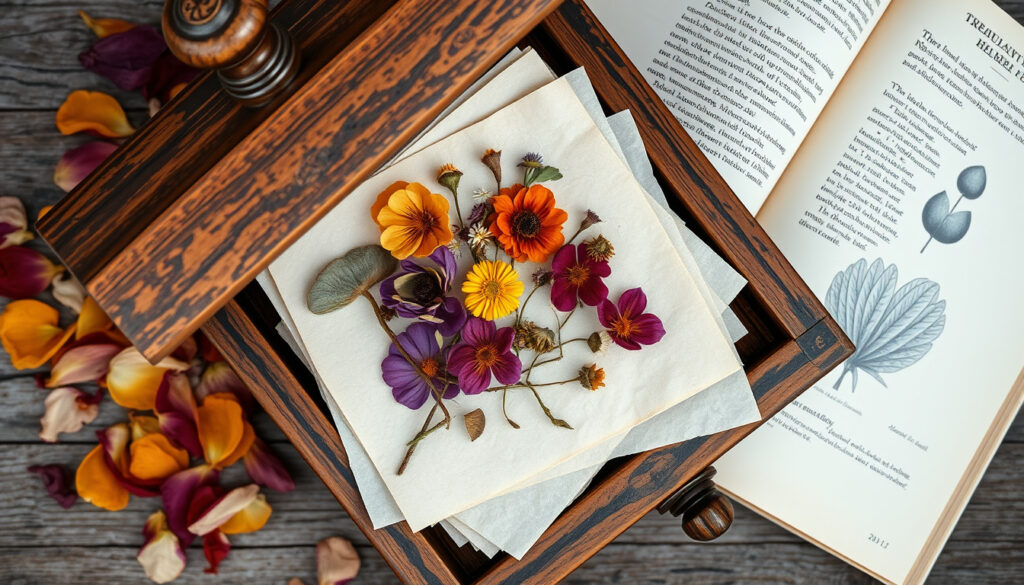
How to Press Flowers: Methods, Mistakes, Color Tips
There’s a quiet satisfaction in opening a heavy book and finding a perfectly preserved flower from months ago. Whether you’re saving a wedding bouquet or just want to keep a garden bloom, pressing flowers is a simple craft that anyone can do at home. This guide breaks down the four main methods, highlights common pitfalls, and shares expert tips to keep colors vibrant—no fancy gear required.
Earliest known pressed plant collection: 16th century (Natural History Museum) ·
Book method duration: 2–4 weeks (First Day of Home) ·
Iron pressing cycle: ~15 seconds on low heat (Homestead and Chill)
Quick snapshot
- Book method: 2–4 weeks, best for color (First Day of Home)
- Wooden press: adjustable pressure with cardboard and blotting paper (Natural History Museum)
- Iron pressing: ~15 seconds on low heat, no steam (Homestead and Chill)
- Microwave pressing: fast using silica gel and short bursts (Welcome To Nana’s)
- Overlapping petals traps moisture and causes sticking (Cottage on Bunker Hill)
- Starting with wet flowers leads to mold (Natural History Museum)
- Not opening the microwave press between bursts causes scorching (Homestead and Chill)
- Gliding the iron back and forth instead of pressing firmly (First Day of Home)
- Press flowers as soon as possible after picking (Cottage on Bunker Hill)
- Book method yields the best color and texture (First Day of Home)
- Microwave pressing with silica gel helps retain original hues (Natural History Museum)
- Open microwave press between bursts to release moisture and prevent browning (Cottage on Bunker Hill)
- Use dry, dew‑free flowers for best results (Homestead and Chill)
- Place flowers in a single layer — no overlapping (RHS)
- For microwave, use a turntable or microwave‑safe container and check every 30 seconds (Welcome To Nana’s)
- Iron with firm downward pressure, not a gliding motion (Cottage on Bunker Hill)
Seven key facts from expert guides, one pattern: speed versus color retention is the central trade‑off in flower pressing.
| Fact | Detail |
|---|---|
| Classic method duration | 2–4 weeks for book or wooden press (RHS) |
| Iron pressing time | ~15 seconds per cycle on low heat (Natural History Museum) |
| Microwave initial burst | 20–25 seconds, followed by 10‑second intervals (Homestead and Chill) |
| Book method color quality | Best for preserving color and texture (First Day of Home) |
| Iron heat setting | Medium‑low, steam off (Cottage on Bunker Hill) |
| Flower condition | Must be dry and free of dew (Welcome To Nana’s) |
What’s the best way to press fresh flowers?
Book pressing method
- Place dry flowers between absorbent paper inside a heavy book. Wait 2–4 weeks for complete drying (RHS).
- The book method preserves natural color better than faster methods (Natural History Museum).
Using a wooden flower press
- Layer flowers between blotting paper and cardboard, tighten bolts for even pressure (Homestead and Chill).
- Adjustable pressure allows multiple flowers to be pressed at once.
Iron pressing technique
- Set iron to medium‑low, no steam. Press firmly for about 15 seconds, cool, and repeat (RHS).
- Do not glide the iron; use a pressing motion to avoid crushing petals.
Microwave pressing with silica gel
- Place flowers in a microwave‑safe container with silica gel. Heat for 20–25 seconds, then 10‑second bursts until dry (Cottage on Bunker Hill).
- Open the press between bursts to release steam and check progress (Welcome To Nana’s).
Microwave pressing saves weeks but risks scorching if you don’t open the press between bursts. Always check after each cycle until the flowers feel papery.
The trade‑off: the book method delivers the best color but tests your patience. Microwave and iron methods are fast but require careful monitoring to avoid scorching. For a beginner, the wooden press offers a good balance of control and speed.
What are common mistakes in pressing flowers?
Overlapping petals
- Placing flowers too close traps moisture and causes sticking (Natural History Museum).
Starting with wet flowers
- Flowers wet from dew or rain will likely develop mold (RHS).
Not opening microwave press between bursts
- Failure to release steam leads to scorched, discolored petals (Homestead and Chill).
Gliding the iron
- Moving the iron back and forth can crush and displace petals; firm, still pressure is required (First Day of Home).
The pattern: most mistakes come from rushing or ignoring moisture control. Taking time to prepare dry flowers and place them carefully avoids the majority of failures.
How do you keep flowers from turning brown when pressed?
Press flowers quickly after picking
- Press as soon as possible while flowers are still fresh and dry (Natural History Museum).
Use silica gel to retain natural color
- Silica gel in microwave pressing helps preserve original hues by rapidly removing moisture (RHS).
Avoid direct sunlight during drying
- Store pressing setup in a dark, dry place to prevent UV bleaching (Cottage on Bunker Hill).
What this means: speed is your friend. The longer a flower sits before pressing, the more it wilts and darkens. Silica gel offers the best chance for bright, long‑lasting color.
How to press a lot of flowers at once?
Using a multi-layer wooden press
- A wooden press with multiple cardboard layers can handle many flowers simultaneously (RHS).
- Group flowers of similar thickness in each layer to ensure even pressure.
Rotating layers for even weight distribution
- Rotate the position of layers every few days to avoid indentations (Homestead and Chill).
The implication: if you need to press a whole garden, invest in a multi‑layer wooden press. It scales far better than a book.
What flowers are not good for pressing?
High‑moisture flowers
- Flowers that retain a lot of water, such as succulents and thick‑petaled blooms, are difficult to press successfully (RHS).
Thick‑petaled blooms
- Flowers with thick petals require very long drying times and often mold (Natural History Museum).
The catch: if you love orchids or lilies, consider drying them partially before trying to press them, or use silica gel.
Step-by-Step Guide to Pressing Flowers
Each method offers a different balance of speed and quality. The book method is your safest bet for long‑term projects; the microwave is your emergency option.
- Choose dry, fresh flowers. Pick flowers on a dry day and use them immediately (Natural History Museum).
- Place in a single layer. Arrange flowers on absorbent paper without overlapping (RHS).
- Apply even pressure. Use a heavy book, a wooden press with tightened bolts, or an iron with firm downward pressure (Homestead and Chill).
- Change blotting paper every few days to prevent mold when using the book or press method (First Day of Home).
- For fast results, use microwave or iron. Microwave: start with 20–25 seconds, open and check, repeat in 10‑second bursts until papery (Cottage on Bunker Hill). Iron: set to medium‑low, press for 15 seconds, cool, repeat (Welcome To Nana’s).
- Store pressed flowers in a dark, dry place to preserve color (Natural History Museum).
The pattern: each step reinforces the same principle — moisture control and patience determine the quality of your result.
Confirmed facts
- Book method works reliably for thin, dry flowers (Natural History Museum).
- Silica gel improves color retention compared to air drying (RHS).
- Iron pressing requires medium‑low heat and no steam (Homestead and Chill).
- Microwave pressing requires opening between bursts to release moisture (First Day of Home).
What’s unclear
- Long‑term effect of hairspray on pressed flower color (no scientific data available).
- Optimal pressing time for every flower species (varies widely with thickness and moisture).
- Whether vacuum sealing extends pressed flower lifespan beyond standard storage methods.
- Effectiveness of glycerin treatment for preserving flexibility in pressed petals.
“Pressing flowers and leaves is a great way to preserve them for crafts and keepsakes.”
— RHS
“Choose fresh, dry flowers and press them as soon as possible to retain color.”
— Natural History Museum
For anyone keeping a garden journal or preserving a special bouquet, the choice comes down to patience versus speed. The book method delivers the most reliable color and texture, while the microwave and iron offer convenience with a higher risk of mistakes. The key is to start with dry, thin-petaled flowers and never skip the small steps—single layers, fresh blotting paper, and careful monitoring. For the beginner, the wooden press is a forgiving middle ground. The takeaway: pick a method that matches your timeline, and respect the moisture.
Frequently asked questions
How do you press flowers for beginners?
Start with the book method: place dry flowers between blotting paper inside a heavy book, leave for 2–4 weeks (RHS). Use thin, low‑moisture flowers.
Should I hairspray my pressed flowers?
Hairspray may offer short‑term protection but can cause yellowing over long periods. There is no scientific data confirming its effectiveness for preservation.
How do you press roses?
Roses have thick petals. Remove outer petals, press only the inner ones, or use the microwave method with silica gel for faster drying (Natural History Museum).
How to press flowers fast?
Use the microwave method: place flowers in a microwave‑safe container with silica gel, heat in short bursts (20–25 seconds initial, then 10‑second intervals) until dry (RHS).
How to press flowers at home?
Any of the four methods work: book, wooden press, iron, or microwave. No special equipment is required for the book method (Natural History Museum).
Can you press flowers without a flower press?
Yes. A heavy book works just as well. Place flowers between absorbent paper, close the book, and add additional weight on top (RHS).
More related posts
 Mumbai Indians vs Delhi Capitals Scorecard 2026 | IPL Match 8
 Liev Schreiber: Biography, Wife, Kids, Net Worth, Health
 Daryl Dixon Season 3 & 4: Renewals, Cast, Character Answers
 Nicolas Jackson: Stats, Wife, Religion, Current Club
 Carrot Cake Recipe UK: Mary Berry & Classic Versions
 Kieffer Moore: Age, Height, Stats, Wife, Net Worth & Injury History
 War of the Rohirrim – Complete Guide to Animated LOTR Prequel
 Dustin Hoffman: Biography, Health, Movies & Net Worth