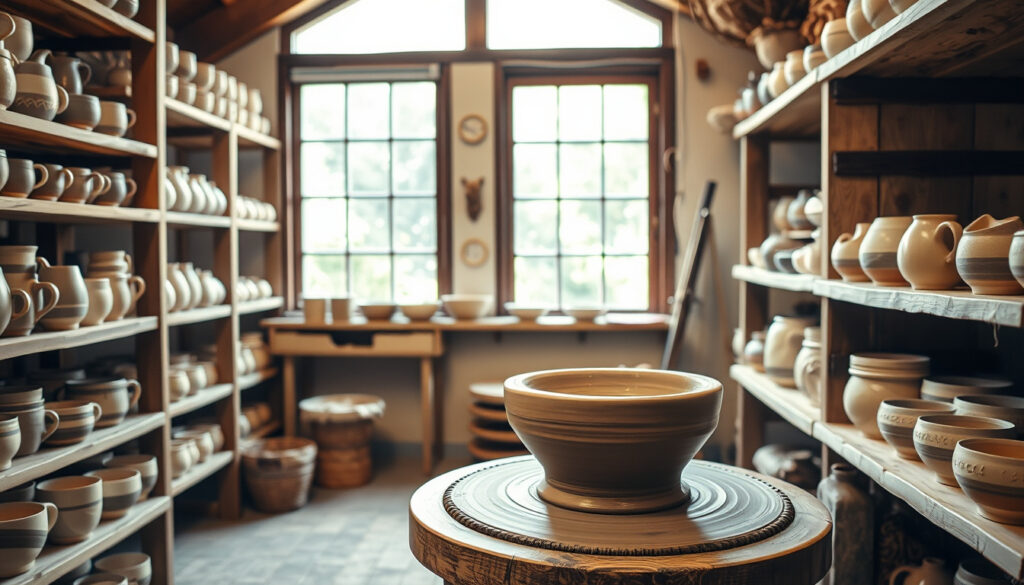
Pottery Cafe Guide: Prices, Process & Top Spots in Ireland
There’s something quietly magnetic about a table scattered with blank ceramic mugs, little pots of underglaze, and the hum of a studio around you. Maybe you’ve spotted the shelves of finished pieces at a market, or a friend came home with a wonky but wonderful bowl they’d painted themselves. That’s the pull of pottery painting in Ireland right now—it’s less about perfection, more about the slow, hands-on hour (or two) of choosing colours and brushstrokes. With over 15 studios across Dublin alone and prices that can start under €10 for a piece, it’s an easy creative night out, a kids’ activity, or even a hen-party plan. This guide walks through how pottery painting cafes in Ireland actually work, what you’ll pay, how long firing takes, and the questions people ask before they book a table.
Key facts at a glance
- Studio fees range from €8–€15 per person for a standard session.
- Piece prices range from about €8 for small items up to €45 for larger platters.
- Deposits are often required for group bookings of five or more, typically €5 per person.
- You pick a pre-made bisque piece from the studio’s shelves.
- You paint it with underglazes at a shared table—no wheel-throwing involved.
- The studio fires your piece in a kiln, which takes 7–10 days.
- Pre-booking is essential at most studios; walk-ins are rarely accommodated.
- A painting session typically takes about two hours.
- Firing adds a 7–10 day wait before you can collect your finished piece.
- Count everyone at your table, including babies—studios need to plan space and fire loads.
- Most studios allow you to pay the balance on the day by cash or card.
- Ask about the current firing turnaround before committing, especially for gifts or events.
Standard studio firing time: 7–10 days · Number of pottery painting locations in Dublin: 15+ studios · Average pottery course duration in Ireland: 6–8 weeks
How a pottery painting cafe session actually works
The core loop is simple, and it hasn’t changed much since the first pottery cafes opened. You arrive, pick a bisque piece from the shelves, and sit down at a table with underglazes. You paint at your own pace, using brushes and stencils provided by the studio. When you’re done, you leave the piece with the staff, and they fire it in a kiln before you collect it days later. That’s the whole system, and it’s the same template you’ll find at studios across Ireland.
Once you’re finished, you leave the piece with the studio. The staff load it into the kiln alongside other customers’ work, fire it to the right temperature, glaze it if needed, and have it ready for pickup within the quoted timeframe. For example, Dublin Pottery’s website says a painting session typically takes about two hours, and the firing adds that week-long wait before you can collect your piece. Nobody walks out with a wet mug in their handbag—the patience is part of the deal.
Because the firing is outsourced to the studio’s kiln, you can’t rush the process. If you’re buying a gift or need something for a specific date, always ask about the current firing slot before you commit.
What it costs: studio fees, pieces, and courses
The honest answer is that a pottery painting session in Ireland has two line items on the bill. First, there’s the studio fee—this covers the table, the paints, the brushes, and the firing. Second, there’s the cost of the piece itself, which varies by size and shape. A small mug might cost €8, while a large platter could run €45 or more.
Pottery Café’s UK FAQ is explicit about the studio fee structure: £8.95 per painting person for a 1-hour-45-minute session. The same FAQ notes that the fee is charged per person painting, even if you’re painting multiple items like a set of six mugs. While that’s a UK price, it’s a solid reference point for what Irish studios charge—expect €10–€15 as the going rate for a standard session.
If you’re considering a longer commitment, some studios offer multi-week courses that teach wheel-throwing or hand-building. These run 6–8 weeks and cost significantly more—typically €150–€250 depending on the studio and materials included. For a one-off pottery painting session, though, you’re looking at a total of roughly €16–€60 per person, depending on the piece you choose.
Booking, deposits, and what the studio needs to know
Pottery painting isn’t a show-up-and-pray activity at most studios. The Painted Pot, a studio in Dublin, says on its home page that pre-booking is essential, and it’s a theme echoed across the country. Weekend slots especially fill up fast, so booking ahead is the norm rather than the exception.
The booking details matter more than you’d think. Pottery Café’s UK FAQ says the studio should be told the total number of people at the table, not just those who will be painting. That includes babies, because they take up space, and the studio needs to plan table layouts and fire loads. For group bookings of five or more, many studios ask for a deposit—Pottery Café UK takes £5 per painter for groups of 5+ at Battersea or 8+ at Fulham, and for any Party Deal. Irish studios follow a similar pattern, with deposits typically €5–€10 per person.
Deposits are often non-refundable if you cancel late. Pottery Café’s UK FAQ says changes must be paid for in full at the time of booking to secure the place—so read the cancellation policy before you hand over a card number.
How to choose the right pottery painting studio in Ireland
Not all studios are the same, and the right one depends on what you actually want. Some, like Dublin Pottery, lean into the café experience with a wide selection of pieces and a relaxed, arty vibe. Others, like Pottery Café, have multiple locations and a more structured offering, including party packages and home-painting kits. If you’re looking for a family-friendly afternoon, a studio with a dedicated kids’ corner and smaller pieces makes sense.
For families, the Pottery Café at Home page reminds us that you choose pottery, choose underglaze paints, and can use brushes if needed—kids under a certain age often get a free session on a small piece with a paying adult. That’s a meaningful discount if you’re bringing a toddler or young child.
Understanding the full journey of your piece helps you plan. Here’s what happens after you finish painting:
- Drying: The piece sits out for a day or two so the underglaze can set.
- Firing: The studio loads the kiln once enough pieces are ready. This is why turnaround times vary—studios don’t fire a kiln for a single mug.
- Quality check: The studio inspects each piece for cracks or glaze issues before you collect it.
That 7–10 days is the number to remember. Some studios might offer a faster turnaround if you’re lucky, but most quote the full week to be safe. The implication: if you’re painting a gift for a birthday next week, you’re cutting it very close.
What’s fact and what’s rumour about pottery painting in Ireland
There’s a lot of folklore floating around pottery painting—that it’s messy, that it’s only for kids, that you need artistic talent. Most of it is exaggerated. The painting itself is the activity, not the result. You’re not graded on your brushwork; you’re there for the experience.
Here’s what’s confirmed by studio FAQs and websites:
- Confirmed: Pottery Café’s UK FAQ says the studio fee is per painting person, per session, even if you paint multiple items like a set of six mugs.
- Confirmed: Dublin Pottery states that a typical painting session lasts about two hours, and firing takes approximately a week.
- Confirmed: Most studios require pre-booking, and group bookings of five or more typically need a deposit.
What’s rumour? The idea that you can bring your own paints or that acrylics work on bisque. They don’t—underglazes are specifically formulated for kiln firing. Acrylics will burn off or bubble in the kiln. So stick with what the studio provides.
What studio owners and staff actually say
The most useful guidance often comes from the people who run the kilns. Here’s what a few studio voices have shared publicly about how the experience works.
“The studio fee is per painting person, per session, even if you’re painting multiple items like a set of six mugs.”
Pottery Café at Home — Pottery Café (studio chain, UK & Ireland)
“A painting session typically takes about two hours, and then the firing adds a week before you can collect your piece.”
Dublin Pottery (studio, Ireland)
These aren’t one-off opinions—they’re the standard operating procedures repeated across multiple studio sites. The consistency is reassuring: whether you’re in Dublin, Galway, or West Cork, the process is broadly the same.
Pottery painting vs. pottery classes: what’s the difference?
Pottery painting at a cafe is not the same as throwing on a wheel. At a cafe, you’re decorating a pre-made piece—the shape, texture, and structure are already decided. At a class, you’re learning to shape clay from scratch, which involves a wheel, trimming tools, and multiple firing stages. Both are creative, but they scratch different itches.
The paradox is that painting is both more personal and less “crafty” than wheel work. You have complete control over the colour scheme and design, but you don’t get the visceral satisfaction of moulding clay with your hands. If you want the full hands-in-clay experience, book a course instead. If you want a relaxed, social, low-pressure creative session, a pottery painting cafe is the right call.
pottery-cafe.com, pottery-cafe.com, thepaintedpot.ie, pottery-cafe.com, pottery-cafe.com, juliasbookcase.com, trailkilkenny.ie, loafcatering.com, senlens.co.uk, loafcatering.ie, the-pottery-cafe.reservio.com
Frequently asked questions
Do I need to book ahead for pottery painting in Ireland?
Yes. Most studios, including Dublin Pottery and The Painted Pot, require pre-booking. Weekend slots especially fill up fast, and group bookings of five or more typically need a deposit to secure the table.
How much does pottery painting cost in Ireland?
Expect a studio fee of €8–€15 per person plus the cost of the pottery piece, which ranges from about €8 for small items to €45 for large platters. A typical one-off session lands around €16–€60 per person. Multi-week courses run €150–€250.
How long does it take to get my pottery back after painting?
Most studios quote 7–10 days for firing. The exact turnaround depends on how quickly the studio fills a kiln load. Always ask about the current turnaround at the time of booking.
Can I bring kids to a pottery painting studio?
Yes, pottery painting is a popular family activity. Many studios offer a free session on a small piece for young children with a paying adult. Some studios have specific kids’ pieces and smaller brushes to make it easier for little hands.
Can I pay on the day or do I need to pay in advance?
Most studios require a deposit for group bookings, typically €5–€10 per person. The balance is usually payable on the day by cash or card. Some Irish studios like The Painted Pot accept the balance on the day, but expect to pay a deposit upfront.
Are there pottery painting studios in Dublin?
Yes, there are 15+ pottery painting locations in Dublin alone. Studios range from dedicated pottery cafes to arts-and-crafts shops with painting stations. Dublin Pottery is one well-known example, but a quick search will reveal options across the city centre and suburbs.
If you’re planning a creative day out in Ireland, these guides might point you in the right direction:
While neither of these directly covers pottery painting alone, they’re the strongest Ireland-specific guides to creative and family-friendly activities nearby. The pattern is clear: pottery painting sits within a broader ecosystem of hands-on, low-cost, indoor-friendly activities that work across age groups and weather conditions.
More related posts
 Emperor Penguin: Facts, Habitat, and Why They Are at Risk
 Cherry Seaborn: Health Scare, Cambridge, and Recovery
 Simon Gregson: Debt, Salary, Family & Latest News
 John Lewis Promo Code – Verified Savings Up to £100 March 2026
 Kieffer Moore: Age, Height, Stats, Wife, Net Worth & Injury History
 London Bridge Train Station – Timetable, Map and Facilities Guide
 Sarah Vine: Hair Loss, Wig Use, Marriage & Career Explained
 Warren Jeffs: Latest Verified Information and Key Facts